
Back to School, Back Indoors: Why Indoor Air Quality Belongs on Your Family’s Checklist This Year
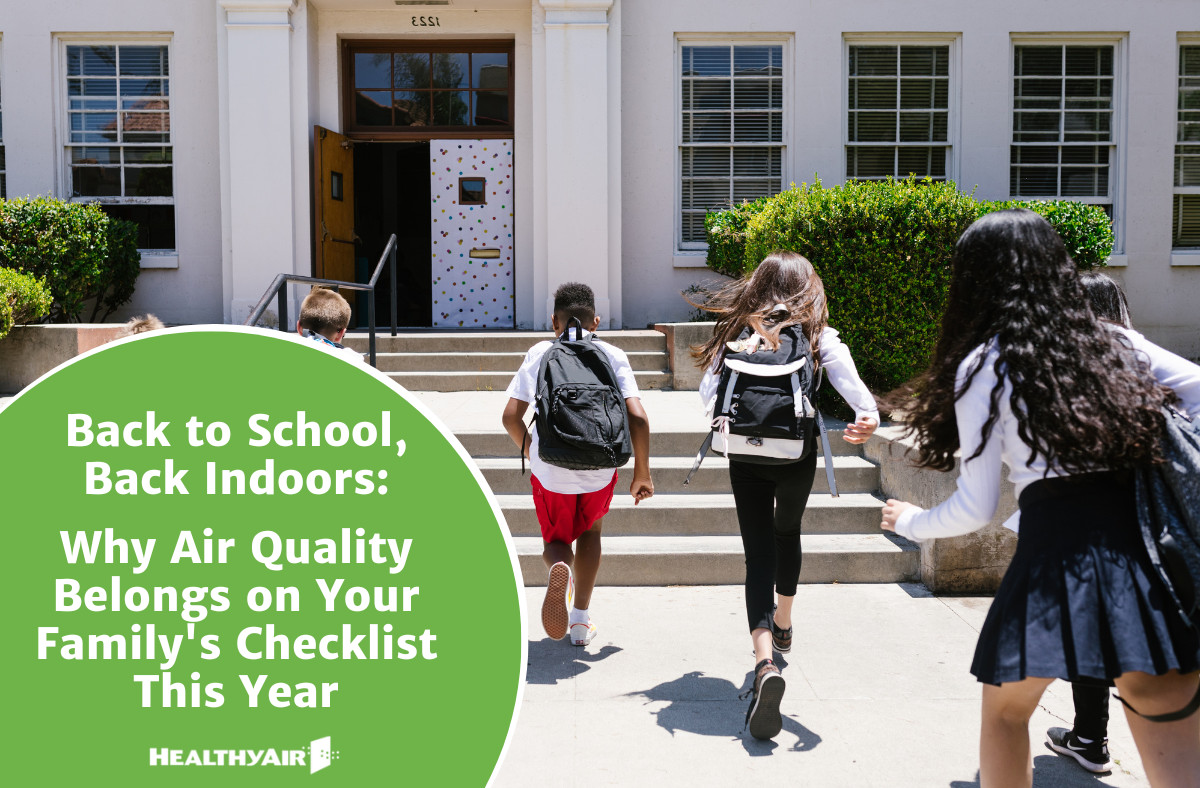
Backpacks, school supplies, new schedules — back-to-school season comes with a long checklist. But there’s one item that rarely makes the list, even though it affects your child’s health, focus, and attendance every single day: indoor air quality.
Kids Spend More Time Indoors Than You’d Think
Between classrooms and home, children and adolescents spend up to half of their waking hours indoors at school, and indoor air in school buildings can be two to five times more polluted than the air outside. Add in time spent at home doing homework, sleeping, and relaxing, and it’s clear that indoor environments, not outdoor ones, are shaping most of a child’s daily air exposure.
That matters because poor indoor air quality has been linked to increased illness, more frequent asthma attacks, higher absenteeism, and even decreased academic performance. An “off” air quality day isn’t just uncomfortable for a lot of families; it’s a missed day of school or a harder day of learning.
The Air Quality–Attendance Connection
It’s a straightforward chain of cause and effect: irritated airways and airborne particles trigger more colds, allergy flare-ups, and asthma symptoms; more symptoms lead to more sick days and lower energy on the days kids do make it to class. The American Lung Association is urging school leaders to prioritize indoor air quality improvements as part of overall student health and safety planning — a signal that this isn’t a fringe concern, it’s becoming a mainstream part of how schools think about student wellness.
But schools can only control so much. The other half of a child’s indoor life happens under your roof.
What This Means for Your Home
While you can’t control your child’s classroom air, you can control what they’re breathing at home, where they do homework, sleep, and spend evenings and weekends. The same contaminants that affect schools show up in houses too:
- Mold can develop quietly in bathrooms, basements, and around window frames, contributing to allergy and asthma symptoms.
- Ultra-fine particles from cooking, pets, and outdoor infiltration accumulate indoors, especially in bedrooms with limited airflow.
- Formaldehyde and VOCs off-gas from furniture, backpacks, art supplies, and cleaning products, all things a kid’s room tends to be full of during the school year.
- Humidity imbalances create the conditions mold and dust mites need to thrive.
- Radon, an invisible gas with no smell or color, can build up in any home regardless of age or location.
None of these are things you can see or smell your way to detecting. That’s exactly why a professional evaluation matters.
Give Your Home the Same Scrutiny You’d Want for a Classroom
If clean air matters enough for schools to actively invest in it, it matters at home too, where kids spend even more of their time. But mold, ultra-fine particles, VOCs, humidity imbalances, and radon aren’t things you can identify on your own. They require the right equipment, testing, and expertise to accurately assess.
This school year, give your family’s home the same level of attention their classroom is getting.
If you’re concerned about what might be in your home’s air, don’t guess — talk to the experts.
Healthy Air USA specializes in identifying and addressing indoor air quality issues, from mold and airborne particles to VOCs, humidity, and radon. Contact Healthy Air USA today to learn how we can help you understand and improve the air quality in your home.