
Heavy Rain in Atlanta? How to Prevent Mold After Water Damage
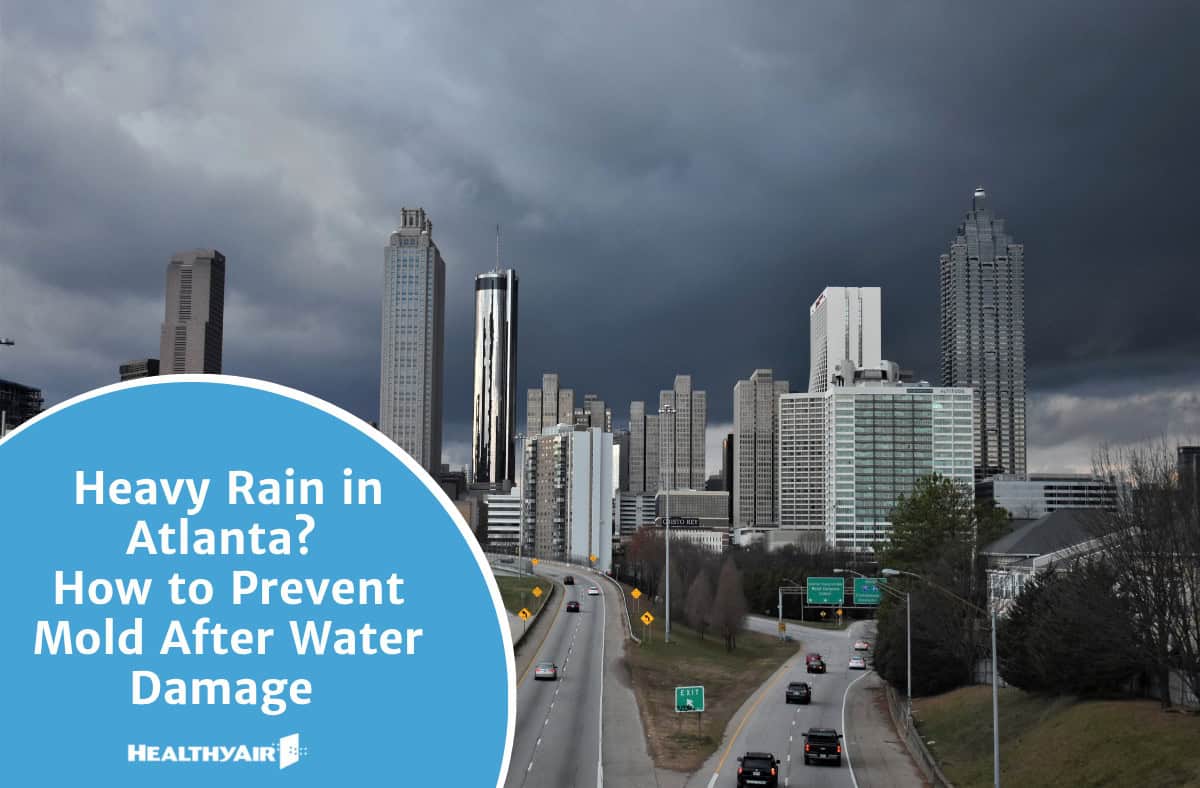
Atlanta homeowners have seen firsthand how quickly severe weather can create problems for a home. Recent storms brought heavy rain, strong winds and flooding concerns across Metro Atlanta, leaving some homeowners dealing with water intrusion, leaks and excess moisture.
While the storm itself may pass in a matter of hours, the effects of water damage can linger for weeks—or even become a mold problem if wet areas aren’t addressed quickly.
If your Atlanta home experienced water intrusion during a recent storm, here’s what you need to know about preventing mold and protecting your indoor air quality.
Why Storm Damage Can Lead to Mold
Mold needs moisture to grow. When heavy rain gets into your home through a damaged roof, window, foundation, crawl space or other opening, it can create the damp conditions mold needs to grow.
The problem isn’t always obvious.
Water can become trapped behind drywall, underneath flooring, inside insulation or in other areas you can’t easily see. Even if a surface appears dry, moisture may remain underneath or inside building materials.
According to the EPA, homeowners should assume mold growth may have occurred if a flooded home and its contents weren’t dried within 24 to 48 hours.
That’s why what you do immediately after a storm can make a significant difference.
1. Look for Signs of Water Intrusion
After a major storm, inspect your home for signs that water has gotten inside.
Pay particular attention to:
- Water stains on ceilings or walls
- Damp or discolored drywall
- Wet carpeting or flooring
- Standing water
- Leaking windows or doors
- Water in the basement or crawl space
- Damp insulation
- Musty or earthy odors
- Bubbling or peeling paint
- Areas around HVAC equipment
- New moisture or condensation
Don’t forget about areas you don’t regularly visit. Attics, crawl spaces, basements and utility areas can be particularly vulnerable to moisture after heavy rain.
If you notice a musty smell but can’t find the source, that’s another reason to investigate. Mold can grow in hidden areas where it isn’t immediately visible.
2. Dry Wet Areas as Quickly as Possible
When water gets into your home, time matters.
The CDC recommends drying wet materials within 48 hours or removing materials that cannot be adequately dried.
The longer materials remain wet, the greater the opportunity for mold growth.
Depending on the situation, drying may involve:
- Removing standing water
- Using fans and dehumidifiers
- Removing saturated carpeting or padding
- Drying affected walls and flooring
- Increasing air circulation where appropriate
- Identifying and repairing the source of the water
However, don’t assume that turning on your HVAC system is always the right solution. If your HVAC system or ductwork has been exposed to contaminated floodwater or mold, running the system could potentially spread contaminants throughout the home. The EPA recommends not turning on HVAC systems in flooded homes until appropriate cleaning, drying and remediation have been completed.
3. Don’t Just Clean Up the Water—Find the Source
Drying your home is only part of the solution.
If water continues to enter your home, mold can return even after an area has been cleaned.
After a storm, the source of moisture could be:
- A damaged roof
- Leaking windows
- Failed gutters or downspouts
- Foundation or drainage problems
- Flooding
- Plumbing damage
- Crawl-space moisture
- HVAC condensation
Mold control starts with moisture control. The EPA recommends fixing the underlying water problem and drying water-damaged areas promptly.
If you clean up visible mold without addressing the moisture source, you’re treating the symptom rather than the cause.
4. Pay Special Attention to Your HVAC System
Your HVAC system plays an important role in your home’s indoor air quality, and it deserves extra attention after significant water intrusion.
Check around your indoor HVAC equipment for:
- Standing water
- Condensation
- Water stains
- Damp insulation
- Musty odors
- Visible mold growth
If water entered your home around the HVAC system or ductwork, have the system evaluated before putting it back into normal operation.
Even when there isn’t visible mold, excessive moisture around an HVAC system can create conditions that contribute to mold growth.
5. Don’t Assume Everything Is Fine Because You Can’t See Mold
One of the biggest misconceptions after water damage is that a home is fine if there isn’t visible mold.
Unfortunately, mold can grow in places you can’t see.
It may be located:
- Behind drywall
- Under flooring
- Inside walls
- Beneath carpet
- Behind cabinets
- Inside insulation
- In crawl spaces
- Around HVAC equipment
The CDC notes that mold may be hidden behind or underneath materials even when it isn’t immediately visible.
If your home experienced significant water intrusion, persistent moisture or a musty odor after a storm, a professional evaluation can help determine whether additional investigation or remediation is necessary.
6. Be Careful With Floodwater
Not all water damage is the same.
Water that enters your home during flooding can contain sewage, bacteria, chemicals and other contaminants. The EPA warns that floodwater may carry sewage or chemicals into a home and recommends appropriate protective equipment during cleanup.
If your home has been affected by contaminated floodwater, extensive water damage or widespread mold, professional cleanup and remediation may be the safest approach.
What If You Already Have Mold?
If you discover mold following a storm, don’t panic—but don’t ignore it either.
The appropriate response depends on the size and location of the affected area, the materials involved, the source of the moisture and whether the mold may have spread beyond what you can see.
A professional mold assessment can help determine:
- Where moisture is present
- Whether mold growth is visible or potentially hidden
- How extensive the problem may be
- What caused the moisture problem
- What areas may require remediation
- What steps are needed to prevent the problem from returning
The goal isn’t simply to remove what you can see. Effective mold remediation addresses both the mold and the moisture problem that allowed it to develop.
Don’t Wait for a Musty Smell
After a major Atlanta storm, it’s easy to focus on the obvious damage—fallen trees, damaged roofs, flooded yards and power outages.
But some of the most expensive problems can develop quietly after the storm has passed.
If water entered your home, take action quickly. Inspect for moisture, dry affected areas, identify the source of the water and keep an eye out for signs of mold in the days and weeks that follow.
And remember: a home doesn’t have to look flooded to have a moisture problem.
If you’re concerned about water damage, mold or indoor air quality following a storm, Healthy Air USA can help assess your home’s indoor environment and determine whether further testing or mold remediation is needed.
Don’t let storm damage become a mold problem. Address moisture early, and protect the air inside your Atlanta home. Contact Healthy Air USA today.