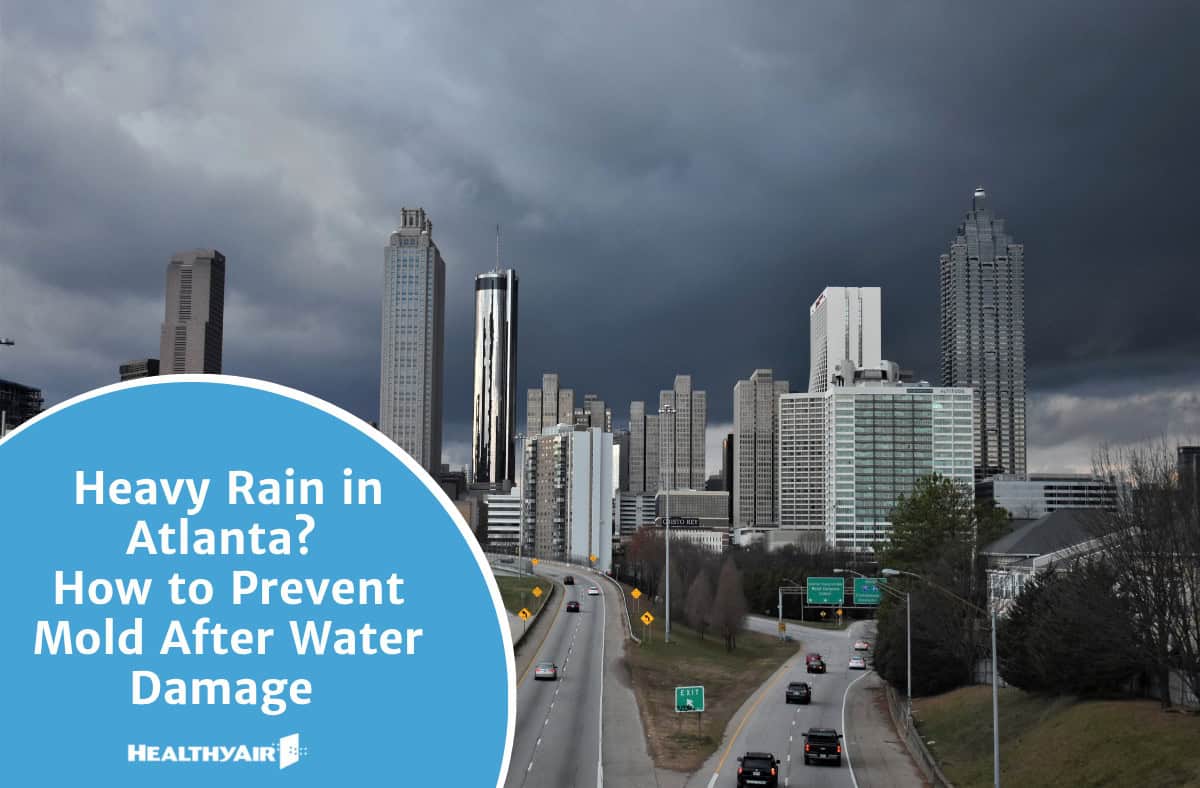
How Changing Weather Impacts the Air Quality Inside Your Home—Especially in Winter

When most people think about indoor air quality issues, they picture hot, humid summer days. Mold, moisture, and poor air quality are often associated with warm temperatures—and for good reason. But what many homeowners don’t realize is that winter weather can have just as much impact on the air inside your home, sometimes in ways that are easier to overlook.
At Healthy Air USA, we regularly help homeowners across the Atlanta area improve their indoor air quality year-round. As temperatures drop, the way your home “breathes” changes—and so does the air you and your family breathe every day.
Why Indoor Air Quality Changes in Winter
During colder months, homes are sealed up more tightly to keep warm air in and cold air out. While this improves energy efficiency, it also traps pollutants inside. Less fresh air circulation means contaminants can build up more quickly than they do during warmer seasons when windows and doors are opened more often.
In winter, your HVAC system also works differently—often running more frequently and circulating the same indoor air repeatedly. If that air contains dust, mold spores, pet dander, or other pollutants, they can spread throughout the home.
Mold Isn’t Just a Summer Problem
It’s a common misconception that mold only thrives in hot weather. While heat and humidity do encourage mold growth, mold only needs moisture—not warmth—to survive.
In winter, moisture issues often come from:
- Condensation on windows and walls
- Poorly ventilated bathrooms and kitchens
- Crawl spaces and basements
- Leaky roofs or plumbing
- Humidifiers that are improperly sized or maintained
Warm indoor air meeting cold surfaces can create condensation, and that moisture can lead to mold growth behind walls, around vents, or inside ductwork—often without any visible warning signs.
Heating Systems and Hidden Air Quality Issues
When heating systems turn on for the season, they can disturb dust, debris, and contaminants that settled in ductwork during the warmer months. Dirty air ducts can circulate:
- Dust and allergens
- Mold spores
- Bacteria and other irritants
If your home smells musty when the heat kicks on, or if mold-exposure symptoms worsen in winter, your indoor air quality may be compromised.
Winter Air Can Feel “Dry”—But Still Unhealthy
Cold weather often brings lower humidity, which can cause dry skin, irritated sinuses, and respiratory discomfort. While adding humidity can help, too much moisture—or poorly controlled humidity—can actually make air quality worse, increasing the risk of mold growth.
The balance is the key. Professional air quality testing can identify whether humidity levels, airborne contaminants, or mold spores are present and affecting your home’s air.
How Healthy Air USA Can Help
Seasonal changes are a great reminder to check in on your home’s air quality. At Healthy Air USA, we offer:
- Professional indoor air quality testing
- Mold testing and safe mold removal
- Air duct cleaning to remove built-up contaminants
- HVAC services to ensure your system is running cleanly and efficiently
Whether it’s summer heat or winter cold, your indoor air quality should never be left to guesswork.
Breathe Easier—No Matter the Season
Winter may feel like a time to stay cozy indoors, but that makes clean, healthy air even more important. Understanding how weather changes affect your home can help you take proactive steps to protect your health and comfort year-round.
If you’re concerned about your indoor air quality this winter, Healthy Air USA is here to help. Serving homeowners throughout the Atlanta area, we’re committed to making sure the air inside your home is as healthy as possible—no matter what the weather brings.
Contact Healthy Air USA today to learn more about how we can help keep your indoor air healthy this winter.